A car insurance policy can look long and dense at first glance. Pages of terms, definitions and conditions can make it tempting to file the document away without reading it. That habit can lead to surprises later, often at the moment a claim is made. Reading the policy in sections makes the task far more manageable, and it helps the policyholder understand what is covered, what is not, and what is expected in return.
A policy is a contract. It sets out the promises the insurer makes and the duties the policyholder accepts. The wording is precise, and small phrases can change the meaning of a whole section. Taking time to read it before cover starts, rather than after an incident, is the simplest way to avoid misunderstandings and to spot gaps while there is still time to fix them.
Start With the Declarations Page
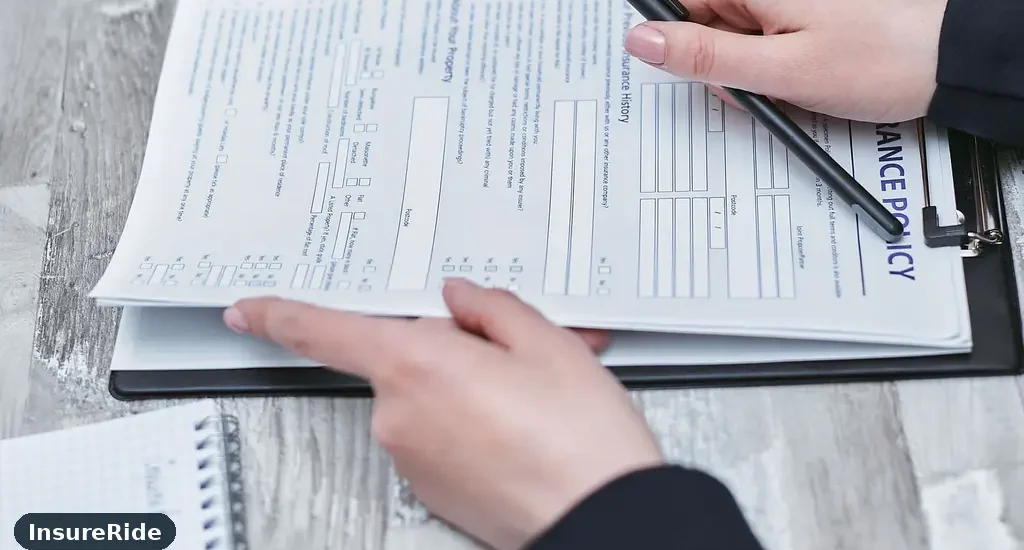
The declarations page, sometimes called the schedule, sits near the front of the policy. It summarises the key facts: the names of the insured people, the vehicle, the cover start and end dates, the cover level, the premium, and any excess or deductible that applies. It also lists named drivers and any endorsements. Check every line on this page first. A wrong registration number, a missing driver, or an incorrect address can affect a claim, so errors should be reported to the insurer straight away.
The declarations page also shows the policy number and the insurer contact details. Keep this page easy to reach, since it is the page most often needed when making a claim or asking a question. If the policy was bought online, save a copy of this page separately so it can be found quickly without searching through the full document.
Understand the Types of Cover Included
Most policies describe the cover types in separate sections. These may include cover for damage to the insured car, cover for injury or damage caused to other people and their property, theft, fire, and cover for glass. Some policies also include extras such as roadside help, a courtesy car, or cover for personal belongings left in the car. Read each section to see what is included as standard and what is an optional extra.
Pay attention to how each type of cover is described. A section may cover accidental damage but only up to a stated limit, or it may cover theft only when the car was locked. The wording sets the boundary of the promise, so general assumptions about what a policy covers can be misleading. Two policies with similar names can differ a great deal in these details.
Learn the Definitions Section
Every policy has a definitions section, usually near the start. It explains what words such as insured car, driver, accident, and market value mean within that policy. These definitions matter because the insurer uses them in a specific way. A word that seems plain in everyday use may have a narrower meaning in the policy, and that narrower meaning is the one that applies at claim time.
For example, the term driver may refer only to people named on the policy, and the term car may refer only to the vehicle listed on the declarations page. Reading the definitions first makes the rest of the document much easier to follow, because the same words appear again and again in the cover sections, the exclusions and the conditions.
Read the Exclusions Carefully
Exclusions list the situations the policy does not cover. Common exclusions include driving without a valid licence, using the car for a purpose not listed on the policy, wear and tear, mechanical breakdown, and damage caused while the car was used for racing or hire. Some exclusions apply to the whole policy, while others apply only to one section, so read the general exclusions and the exclusions inside each cover section.
Exclusions are where most surprises hide. A policyholder who assumes a loss is covered may find the claim refused because the cause falls under an exclusion. Reading this section in full, and asking the insurer about anything unclear, is one of the most useful steps in the whole process. If an exclusion clashes with how the car is actually used, the policyholder can ask whether a different cover level or an endorsement would close the gap.
Check Limits, Excesses and Conditions
Limits cap the amount the insurer will pay for a particular type of loss. An excess, also called a deductible, is the amount the policyholder pays toward a claim before the insurer pays the rest. Both appear on the declarations page and in the relevant sections. Knowing these figures in advance avoids confusion at claim time, especially for smaller losses where the excess may be close to the cost of the repair.
Conditions set out what the policyholder must do to keep cover in force. Typical conditions include telling the insurer about changes such as a new address, a new driver, or a change in how the car is used, keeping the car in a roadworthy state, and reporting an incident promptly. Failing to meet a condition can affect a claim, so these duties deserve close attention and should be noted somewhere easy to check.
Some conditions also cover security, such as keeping the car locked and fitting an approved alarm or immobiliser where one is required. Others cover how the car is stored overnight. These details are easy to miss, yet they can matter a great deal if a theft claim is made, so they are worth reading even when they seem routine.
Look for Endorsements and Optional Extras
Endorsements are changes or additions to the standard wording. They may add cover, restrict cover, or record a special agreement, such as cover for a modified car or for a driver with a particular licence type. Each endorsement has a code or title and a short explanation. Read them one by one and check that they match what was agreed when the policy was bought.
Optional extras, such as legal cover or breakdown help, may be listed separately. Check whether each extra is actually included and what its own limits are, since extras often have their own terms and their own claim process. An extra that was expected but never added is a common source of disappointment, and it is far easier to correct at the start of the policy than after an incident.
Compare the Policy With What Was Quoted
After reading the sections above, compare the policy against the quote or the summary received when the cover was arranged. The cover level, the named drivers, the excess and any extras should match. Small differences can appear when details are typed in by hand, and catching them early keeps the record straight. If anything does not match, contact the insurer and ask for a corrected document before relying on the cover.
Know How to Make a Claim and Renew
The claims section explains how to report an incident, what information to provide, and how long the policyholder has to notify the insurer. It may also explain how repairs are arranged and whether the policyholder can choose a repairer. Reading this section before an incident happens saves time when events are stressful, and it helps the policyholder gather the right details at the scene.
The renewal section explains how the policy continues, how changes are notified, and what happens if the policy is cancelled. Note the renewal date and any notice period, and check whether the policy renews automatically. A short note of these dates, kept with the declarations page, makes renewal far less likely to be missed.
This guide explains how cover generally works. It is not personal financial advice. Check your own policy wording before you decide.
How long does it take to read a car insurance policy?
Most policies can be read in sections in under an hour. The declarations page takes a few minutes, and the exclusions and conditions sections deserve the most time. Reading a little at a time is better than skipping the document altogether, and notes taken along the way make the next renewal easier.
What is the most important part of a car insurance policy?
The declarations page, the exclusions and the conditions carry the most practical weight. Together they show who and what is covered, what is left out, and what the policyholder must do to keep cover in force. The definitions section matters too, because it fixes the meaning of the words used everywhere else.
What should I do if I do not understand part of my policy?
Contact the insurer or the broker who sold the policy and ask for a plain explanation in writing. Keep a note of the answer with the policy. If the wording still seems unclear, ask whether an endorsement or a different cover level would fit better, and confirm any change with an updated document.
Can an insurer refuse a claim because of the fine print?
A claim can be refused when the loss falls under an exclusion or when a policy condition was not met. That is why reading the exclusions and conditions before cover starts matters. If a refusal seems wrong, the policyholder can ask for the reason in writing and follow the insurer complaint process set out in the policy.