Many drivers buy car insurance and assume it covers every problem their car might face. In practice, every policy has a list of covered events, a set of limits, and a set of exclusions. The covered events are the situations the insurer will pay for. The limits cap how much the insurer will pay. The exclusions are the situations the insurer will not pay for at all. Knowing all three before an incident happens is the difference between a smooth claim and a rejected one.
This guide explains what car insurance usually covers and what it usually does not. The details vary between policies and markets, so the policy wording is the final word in every case. The aim here is to give a clear general picture, and to show which parts of the wording deserve the closest read.
What Car Insurance Usually Covers
Most car insurance policies cover damage caused by a crash. If the driver hits another car, a wall, or a tree, the policy can pay for repairs to the cars involved, depending on the cover level. Comprehensive policies usually cover damage to the policyholder’s own car as well as damage to others. Liability only policies cover the other party, not the policyholder’s own car.
Theft is usually covered by comprehensive policies. If the car is stolen and not recovered, the insurer usually pays its market value at the time of the loss. If it is recovered with damage, the insurer usually pays for the repairs. Break ins that damage the car, such as a smashed window or a broken lock, are often covered too, though personal items stolen from inside the car may have a separate limit or may not be covered at all.
Fire damage is also commonly covered by comprehensive policies. This includes damage from a fire that starts in the car, and in many cases damage from a fire that spreads to the car. Damage from vandalism, such as scratched paint or slashed tyres, is usually covered as well. Storm damage, falling trees, and flooding are covered by many comprehensive policies, though some policies treat flood damage separately, so the wording deserves a check.
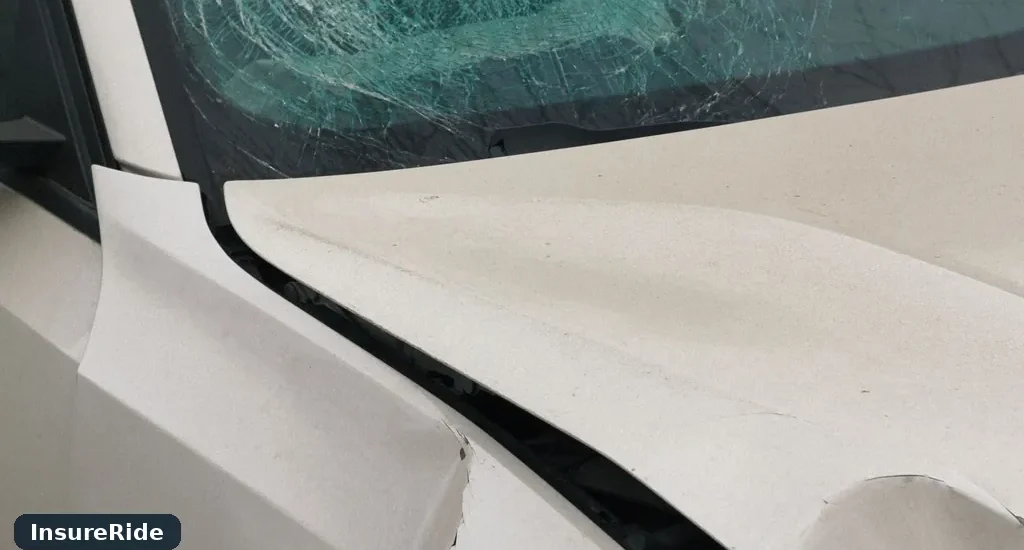
Most policies also cover injury to other people and damage to their property when the policyholder causes an incident. This liability cover is the part that protects the driver’s finances after a serious crash, because medical costs and compensation can be large. Windscreen damage is covered by many policies, sometimes with a lower excess than other claims, and some policies cover it without affecting the no claims record.
Cover Limits: How Much the Insurer Pays
Cover is never unlimited. Every policy states limits, which are the maximum amounts the insurer will pay. Liability cover has limits for injury and for property damage. Collision and comprehensive cover are usually limited by the market value of the car. Optional extras have their own limits, such as a daily limit for a hire car or a total limit for legal costs.
When the cost of an incident is higher than the limit, the driver pays the difference. This is why checking limits matters as much as checking what is covered. A policy that covers a wide range of events with very low limits can leave a driver exposed after a serious incident, while a policy with higher limits gives more complete protection.
The excess also shapes what the insurer pays. The excess is the amount the driver pays towards each claim before the insurer pays the rest. If the repair costs less than the excess, the driver pays the whole amount and there is no insurer payment. Some policies have different excess amounts for different types of claim, such as a higher excess for young drivers or for theft.
Common Exclusions to Know
Wear and tear is one of the most common exclusions. Insurance covers sudden, unexpected events, not gradual decline. Worn brakes, an ageing battery, rust, and mechanical breakdown are usually not covered, because they are maintenance issues rather than insured events. Regular servicing and prompt repairs are the driver’s responsibility.
Driving outside the terms of the policy is another common exclusion. This includes driving without a valid licence, driving under the influence of alcohol or drugs, and using the car for a purpose not stated on the policy, such as carrying paying passengers or making deliveries when the policy covers only social use. A claim in any of these situations can be refused entirely.
Undeclared changes can also void cover. If the car has been modified, for example with a different engine, larger wheels, or a changed body, and the insurer was not told, a claim may be reduced or refused. The same applies to an undeclared regular driver. Giving accurate information when buying the policy, and updating it when things change, keeps the cover valid.
Some policies exclude damage caused by racing, speed testing, or off road driving. Others exclude damage that happens while the car is used for hire. War, terrorism, and nuclear events are usually excluded as well. These exclusions rarely affect everyday driving, but they are worth knowing about so there are no surprises.
Personal Belongings and Extras
Personal belongings left in the car are often covered only up to a small limit, or not at all. A bag, a phone, or a laptop stolen from a car may be covered by home insurance rather than car insurance, if it is covered at all. Drivers who often carry valuable items should check the limit in the car policy and consider whether other cover is needed.
Child seats, roof boxes, and other accessories may or may not be covered. Some policies include them up to a stated amount, while others need them to be declared as extras. Audio equipment fitted after the car was made can also need declaring. Checking the accessories section of the policy takes a few minutes and avoids a dispute after a theft or crash.
Replacement keys and locks are sometimes covered, sometimes not. Some policies include key cover as an extra, which pays for new keys and reprogramming if keys are lost or stolen. Without it, replacing modern keys can be costly, so drivers who are prone to losing keys may find the extra worthwhile.
What Happens With a Claim Outside the Cover
If an incident falls outside the cover, the insurer will usually refuse the claim and explain why. The driver can ask for the reason in writing and check it against the policy wording. If the wording is unclear, or the driver believes the decision is wrong, most insurers have a complaints process. Independent dispute services exist in many places for cases that cannot be settled directly.
It is worth remembering that a refused claim is not the same as a cancelled policy. The cover usually continues for other events, unless the insurer says otherwise. Still, a refused claim can be a warning sign that the policy does not match the driver’s real use of the car, and it may be time to review the cover or switch to a policy that fits better.
Reading the policy wording before buying is the best protection. The summary of cover shows what is included at a glance, and the full wording sets out the limits and exclusions. Spending time on these documents before paying is far easier than arguing about them after an incident.
This guide explains how cover generally works. It is not personal financial advice. Check your own policy wording before you decide.
Does car insurance cover wear and tear?
No. Car insurance covers sudden, unexpected events such as crashes, theft, and fire. Wear and tear, rust, and mechanical breakdown are maintenance issues and are usually excluded.
Does car insurance cover items stolen from my car?
Personal belongings are often covered only up to a small limit, or not at all. A bag or laptop stolen from a car may be covered by home insurance instead, if it is covered at all.
What is not covered by car insurance?
Common exclusions include wear and tear, driving without a valid licence, driving under the influence, undeclared modifications, and using the car for a purpose not stated on the policy.