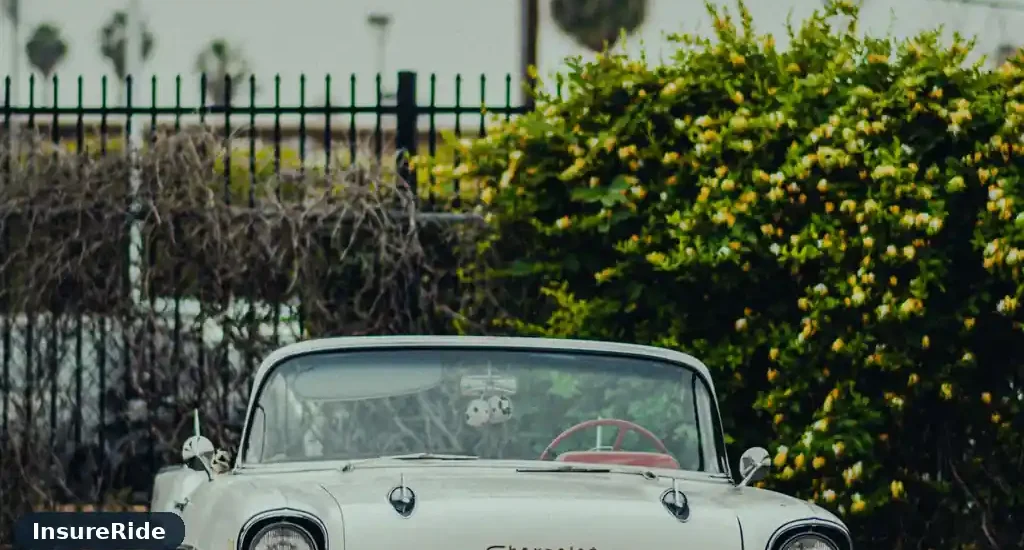
An older car is not just a cheaper car. A classic or a well kept older vehicle can hold its value, need specialist parts, and spend much of its life parked rather than driven. Standard car insurance does not always reflect that reality, which is why many owners look for cover designed with older cars in mind. Understanding how this cover differs is the key to choosing it well.
The right policy for an older car depends on the car age, its condition, how often it is driven, and what it would cost to repair or replace. A daily driver that happens to be old has different needs from a weekend classic that rarely leaves the garage. Matching the policy to the real pattern of use is what keeps the cover useful and the premium fair.
What Counts as a Classic Car
There is no single definition of a classic car. Insurers use different age thresholds, and some also consider the make, the model, the condition and whether the car has historical interest. A car that is twenty years old may count as a classic with one insurer and as an ordinary older car with another. Some insurers use terms such as classic, vintage or historic, and each term can carry its own rules.
Because definitions vary, it is worth asking each insurer how the car is classified before comparing prices. A car classified as a classic may qualify for a specialist policy with terms that suit limited use, while a car classified as an ordinary older car may be better served by a standard policy. The label matters less than the terms that come with it.
Agreed Value Versus Market Value
The biggest difference between classic cover and standard cover is often how the car value is settled after a total loss. A standard policy usually pays the market value, which is the amount the car would fetch on the open market at the time of the loss. For an older car, the market value can be low even when the car is in excellent condition, and it may not reflect money spent on restoration.
Many classic policies offer agreed value instead. The owner and the insurer agree a value when the policy starts, often with the help of photographs and a valuation, and that figure is the amount paid if the car is written off. Agreed value gives certainty, but it needs to be reviewed at renewal. A value set years ago may no longer match the car worth, especially if restoration work has been done since.
Owners should keep records of restoration work, receipts for parts, and photographs of the car condition. These records help support the agreed value and can make a claim far smoother. Without them, even an agreed value can be questioned if the car condition has changed since the value was set.
Limited Mileage and Usage Rules
Classic policies often come with a mileage limit. The owner agrees to drive the car only up to a set distance each year, and the premium reflects that limited use. A car driven a few thousand miles a year to shows and weekend trips fits this pattern well, and the saving can be meaningful. The limit must be realistic, though, because exceeding it can affect a claim.
Some policies also restrict how the car is used. Cover may apply to social and pleasure use only, with commuting or business use excluded. Others may require the car to be kept in a locked garage overnight. These conditions reflect the lower risk of a car that is rarely used, and they are part of the reason the premium is lower. Owners should read them carefully and be honest about the real pattern of use.
Parts, Repairs and Specialist Work
Repairing an older car is rarely a matter of ordering a standard part. Panels, trim and mechanical parts may be scarce, and some may need to be made or sourced from specialist suppliers. A standard policy may assume that repairs use readily available parts and a mainstream repairer, which may not suit a classic at all.
Specialist classic policies often allow the owner to choose a repairer who knows the car, and they may cover the cost of genuine or period correct parts where those are available. Owners should ask how repairs are handled, whether salvage is retained, and whether the policy covers the cost of transporting the car to a specialist workshop. These details matter far more for a classic than for a modern car.
For an older car that is still a daily driver, the parts question is different but still worth asking. Some older models have parts that are no longer made, and a repair that looks simple can become slow and costly. Knowing how the insurer handles parts availability helps the owner plan for that possibility.
Cover Options Worth Comparing
Classic policies can include extras that standard policies rarely offer. Cover for spare parts kept at home, cover for tools, cover for attending shows, and cover for a car while it is being restored are all available from some insurers. Breakdown cover that includes transport home is also valuable for an older car, since a roadside fix is less likely than for a modern vehicle.
Owners of more than one older car should ask about multi-car classic cover. Some insurers offer a single policy for a small collection, which can be simpler and cheaper than separate policies. The terms usually still require each car to be listed with its own value and mileage, so the collection needs to be described accurately.
Storage and Security
Where the car is kept overnight affects both the premium and the cover. A locked garage is the usual expectation for a classic policy, and some insurers ask for details of the garage security. A car kept on a driveway or on the street may still be insurable, but the terms and the premium will reflect the higher risk.
Security devices matter too. An older car may not have a modern alarm or immobiliser, and fitting one can be difficult without altering the car character. Some classic insurers accept the original security arrangements, while others require an approved device. Asking before buying avoids a situation where a theft claim is questioned because of a security condition the owner did not know about.
When a Standard Policy Fits Better
Not every older car needs a specialist policy. A car that is driven every day, parked on the street, and used for commuting may be better served by a standard policy, even if the car is old. Specialist terms such as mileage limits and garage requirements would only get in the way, and the market value settlement may be acceptable when the car value is modest.
The decision comes down to value, use and risk. If the car is worth more than its market value suggests, if it is rarely driven, and if it is kept securely, a classic policy is worth comparing. If it is simply an old car doing daily work, a standard policy is usually the practical choice.
This guide explains how cover generally works. It is not personal financial advice. Check your own policy wording before you decide.
At what age does a car count as a classic for insurance?
There is no single age that applies everywhere. Insurers use different thresholds, and some also consider the make, model, condition and historical interest of the car. Ask each insurer how the car is classified, because the classification decides which policy terms and premiums apply.
What is agreed value in classic car insurance?
Agreed value is a figure settled between the owner and the insurer when the policy starts, often with photographs and a valuation. If the car is written off, the insurer pays the agreed figure rather than the market value. The value should be reviewed at renewal, especially after restoration work.
Does classic car insurance limit how much I can drive?
Many classic policies include a mileage limit and restrict use to social and pleasure driving, with commuting or business use excluded. The limit must be realistic for the real pattern of use, because exceeding it can affect a claim. Some policies also require the car to be kept in a locked garage.
Can I choose my own repairer for a classic car?
Specialist classic policies often allow the owner to use a repairer who knows the car, and they may cover genuine or period correct parts where available. Standard policies may assume mainstream repairers and readily available parts, so ask how repairs are handled before choosing a policy.