Car insurance is a contract between a driver and an insurance company. The driver pays a regular amount, called a premium, and in return the insurer agrees to help pay for certain costs if something goes wrong. Those costs can come from a crash, theft, fire, or damage caused to another person or their property. Without cover, one serious incident can leave a driver facing bills that are hard to pay alone. With cover, the cost is shared across many policyholders, which makes the risk easier to manage for everyone involved.
Most drivers buy car insurance because it is a sensible way to protect their finances. In many places it is also a legal requirement to hold at least a basic level of cover before driving on public roads. Even where it is not required by law, lenders often ask for cover when a car is bought with finance. This guide explains what car insurance is, how the main types of cover work, what affects the price, and how a claim is handled from start to finish.
What Car Insurance Actually Is
At its simplest, car insurance transfers risk. A driver pays a premium, usually monthly or yearly, and the insurer takes on the financial risk of agreed events. If one of those events happens, the insurer pays for repairs, medical costs, or compensation, up to the limits set out in the policy. The driver may still pay a part of the cost, known as the excess or deductible, before the insurer pays the rest.
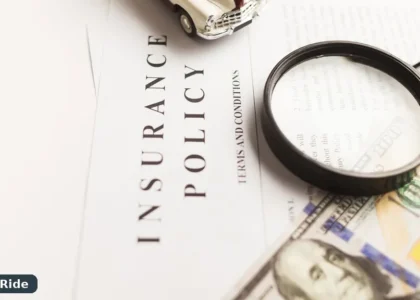
A policy is made up of several parts. The policy document describes what is covered and what is not. The schedule lists the car, the drivers, the cover level, and the premium. The terms and conditions explain the rules, such as what the driver must do after an incident and what can void the cover. Reading these documents matters, because two policies with similar names can offer very different protection in practice.
The Main Types of Car Insurance Cover
Car insurance is usually sold in levels. Third party cover is the most basic level in many markets. It pays for damage or injury caused to other people, their cars, or their property, but it does not pay to repair the policyholder’s own car after a crash that was their fault. It is the minimum level that many places require by law, and it suits drivers who want basic legal cover at a lower cost.
Third party, fire and theft adds protection if the policyholder’s own car is stolen or damaged by fire. It still does not cover repairs to the policyholder’s car after a crash that was their fault. This middle level can suit an older car that is not worth a lot, where full cover would cost more than the car is worth, but theft or fire would still be a real loss.
Comprehensive cover is the widest level. It usually covers damage to the policyholder’s own car as well as third party costs, whatever the cause of the incident. It often includes cover for theft, fire, vandalism, and damage from weather. It costs more than basic cover, but it gives the most complete protection. The exact details vary, so the policy wording is the final word on what is included.
How Car Insurance Cost Is Decided
Insurers set premiums by estimating risk. They look at factors that tend to be linked with the chance of a claim and the likely cost of that claim. The car itself matters a lot. A car that is expensive to repair, powerful, or often targeted by thieves will usually cost more to insure than a modest car with cheap parts and a good safety record.
The driver matters too. Younger and less experienced drivers often pay more, because claims data shows they are more likely to be involved in incidents. A history of claims or driving offences can also raise the premium, while a long period without a claim often lowers it. Where the car is kept overnight, how far it is driven each year, and what it is used for all feed into the price as well.
The level of cover and the excess also shape the cost. Comprehensive cover costs more than third party cover. A higher voluntary excess usually lowers the premium, because the driver agrees to pay more of any claim themselves. Paying the premium yearly rather than monthly can also reduce the total, since monthly payments sometimes carry extra charges.
How to Choose the Right Cover
Choosing cover starts with the car and how it is used. A new or valuable car usually justifies comprehensive cover, because repair or replacement would be expensive. An older car with low value may be fine with a lower level, as long as the driver could manage the repair cost or replace the car without help. There is no single right answer, and the best choice depends on what the driver can afford to lose.
Next, compare policies on more than price. Two policies can cost a similar amount yet differ widely in what they include. Check the cover limits, the excess, whether a courtesy car is included, and what happens with windscreen damage. Also check the exclusions, which are the situations the policy does not cover. Common exclusions include driving without a valid licence, using the car for work it was not insured for, and wear and tear.
How a Car Insurance Claim Works
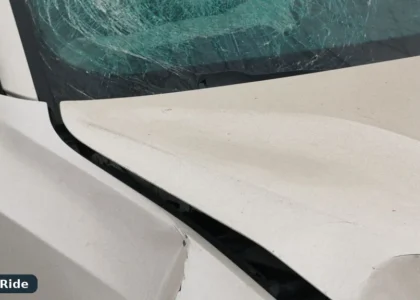
A claim starts when the driver tells the insurer about an incident. This should be done as soon as practical, even if the driver is not sure they will claim. The insurer will ask for details such as the date, time, place, what happened, and the details of anyone else involved. Photos of the damage and the scene, plus the details of any witnesses, can help the claim move faster.
After the report, the insurer checks the policy to confirm the event is covered. An assessor may inspect the damage or ask for a repair quote from an approved garage. For simple claims, such as a broken windscreen, the process can be quick. For larger claims, the insurer may take longer to agree the repair cost or decide who was at fault.
Once the claim is approved, the insurer arranges the repair or pays the agreed amount, minus the excess. If the car cannot be repaired, the insurer usually pays its market value at the time of the loss, not the price the driver originally paid. The driver should keep copies of every message, quote, and receipt, because a clear record makes it easier to follow up if anything is delayed.
Common Mistakes to Avoid
One common mistake is giving wrong details when buying a policy. Stating the wrong address, the wrong main driver, or a lower annual mileage than the real figure can lead to a claim being reduced or refused. It is always better to give accurate information, even if it raises the premium slightly, because a policy that does not reflect the truth may not pay out when it matters.
Another mistake is letting cover lapse by accident. If the renewal date passes without payment, the car is uninsured. Setting a reminder before the renewal date, and checking that the payment method is still valid, avoids this. A related mistake is assuming a new car is covered by an old policy. Cover usually applies to a specific car, so a change of car needs to be reported to the insurer.
What to Do After an Incident
After a crash or damage, safety comes first. Check that everyone is safe, move to a safe place if possible, and call emergency services if anyone is hurt or the road is blocked. Exchange details with the other driver, including names, contact details, registration numbers, and insurer names. Take photos of the damage, the road, and the positions of the cars while the scene is still fresh.
This guide explains how cover generally works. It is not personal financial advice. Check your own policy wording before you decide.
What is car insurance?
Car insurance is a contract where a driver pays a premium and the insurer agrees to help pay for agreed costs after events such as a crash, theft, or fire, up to the limits in the policy.
What is the difference between third party and comprehensive cover?
Third party cover pays for damage or injury caused to other people and their property. Comprehensive cover also pays for damage to the policyholder’s own car, whatever the cause, within the policy limits.
What is an excess in car insurance?
An excess, also called a deductible, is the amount the driver pays towards a claim before the insurer pays the rest. A higher voluntary excess usually lowers the premium but raises the cost of a claim.