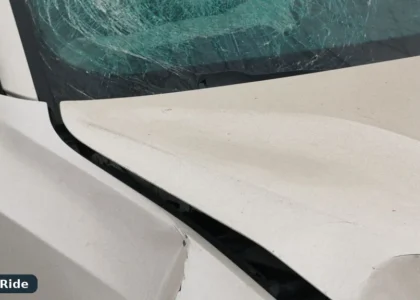
Car insurance is not one single product. It is a set of cover types that each protect against different kinds of loss. Some types pay for harm caused to other people. Others pay to repair the policyholder’s own car. A few cover specific risks such as theft, fire, or injury to the driver and passengers. Knowing what each type does makes it much easier to choose a policy that fits, and to avoid paying for cover that is not needed or missing cover that is.
This guide walks through the main types of car insurance coverage in plain language. It covers liability, collision, comprehensive, and the most common extras, with examples of when each one applies. The exact names and details vary between insurers and markets, so the policy wording is always the final word, but the ideas below apply widely.
Liability Cover: Protection for Other People
Liability cover is the foundation of most car insurance policies. It pays when the policyholder causes injury to another person or damage to someone else’s property while driving. For example, if a driver hits another car and the other driver is hurt, liability cover can pay for medical costs and for repairs to the other car. If the driver damages a fence, a wall, or a parked car, liability cover can pay for that too.
Liability cover usually has two parts. Bodily injury liability covers injury to other people, including medical costs and, in serious cases, compensation. Property damage liability covers damage to other people’s property. Each part has a limit, which is the most the insurer will pay for one incident. Choosing a limit that is too low can leave the driver paying the rest out of pocket, so the limit deserves attention when comparing policies.
In many places, liability cover is the minimum that the law requires. A driver who causes a crash without it may face fines, loss of licence, and personal liability for the full cost of the damage. Even where it is not legally required, it is the cover that protects a driver’s savings and future income after a serious incident, because injury claims can be very large.
Collision Cover: Repairs to Your Own Car
Collision cover pays to repair or replace the policyholder’s own car after a crash, whatever the cause. It applies when the car hits another car, a wall, a tree, or any other object, and also when the car rolls over. It is the cover that fixes the driver’s own vehicle, while liability cover fixes the other party’s losses.
Collision cover usually comes with an excess, which is the amount the driver pays before the insurer pays the rest. If the repair costs less than the excess, the driver pays the whole repair. If the car is written off, the insurer usually pays its market value at the time of the loss, minus the excess. That value is what a similar car would sell for, not the price the driver paid when the car was new.
Collision cover makes most sense for a car that would be expensive to repair or replace. For a very old car with low value, the cost of collision cover over a year or two can come close to the value of the car itself, and the excess takes a further share of any payout. In that case a driver may decide to carry the risk themselves, though that choice should be made with open eyes.
Comprehensive Cover: Theft, Fire and More
Comprehensive cover pays for damage to the policyholder’s own car from events other than a crash. The most common are theft, fire, vandalism, falling objects, and damage from storms or floods. A branch falling on a parked car, a broken window after a break in, or a car stolen from a driveway are all typical comprehensive claims.
The word comprehensive can be confusing, because it is used in two ways. In some markets it means this specific cover for non crash damage to the driver’s own car. In others it means a full policy that combines liability, collision, and this non crash cover together. When comparing policies, check whether comprehensive means the full package or only the non crash part, because the difference changes what is protected.
Comprehensive cover also has an excess in most policies, and it has limits and exclusions. Wear and tear, mechanical breakdown, and damage from poor maintenance are usually not covered. Some policies cover glass damage with a lower excess or none at all, which is worth checking, since windscreen chips are common and cheap to fix early.
Personal Injury and Medical Cover
Some policies include cover for injury to the driver and passengers, whatever caused the crash. This can pay for medical treatment, and in some policies for lost income or a payment after a serious permanent injury. It is separate from liability cover, which pays other people, and it matters because the driver is often the person most at risk in a crash.
Medical payments cover is a simpler version of this. It pays medical costs for the driver and passengers after a crash, up to a stated limit, without waiting for a decision on who was at fault. This can help with early treatment costs. Drivers should check whether they already have health cover that would pay the same costs, to avoid paying twice for the same protection.
Uninsured driver cover is another useful type. It pays when the policyholder is hit by a driver who has no insurance, or who cannot be traced after a hit and run. Without it, the policyholder may have to claim on their own collision cover and pay the excess, or pay for repairs themselves. The details vary, so check whether this cover is included or needs to be added.
Optional Extras Worth Knowing About
Roadside assistance is one of the most popular extras. It covers help if the car breaks down, runs out of fuel, or has a flat battery. Some versions include towing to a garage, while others also cover a replacement car or overnight stay if the breakdown happens far from home. Drivers who travel long distances often find this extra useful.
A courtesy car is another common extra. If the policyholder’s car is being repaired after a covered claim, the insurer provides a temporary car. Without this extra, the driver may need to hire a car or manage without one. The courtesy car is usually a small model, and the policy may limit how long it is provided.
Legal expenses cover pays legal costs when the driver needs to claim compensation from another party, or defend a claim. It can cover solicitor fees and court costs up to a limit. Windscreen cover, key cover, and cover for personal belongings left in the car are smaller extras that some drivers value. Each extra adds to the premium, so it helps to ask whether the extra would really be used.
How the Cover Types Fit Together
Most policies combine several cover types into one package. A basic policy may be liability only. A mid level policy may add fire and theft. A full policy usually combines liability, collision, and comprehensive cover, plus a few extras. The package name matters less than the list of what is actually included, so always read the cover summary before deciding.
When comparing packages, line up the same cover types side by side. Check the liability limits, the collision and comprehensive excess, and which extras are included. Two policies at a similar price can differ a lot once the extras and limits are compared. A policy that looks cheap may simply leave out cover that the driver needs.
It also helps to think about the car, the driver, and the way the car is used. A car parked on the street in a busy area faces a higher theft risk than one kept in a locked garage. A driver who covers long distances each year faces more exposure to crashes. Matching the cover to the real risk, rather than buying the same package as someone else, gives better value.
This guide explains how cover generally works. It is not personal financial advice. Check your own policy wording before you decide.
What is liability car insurance?
Liability cover pays for injury to other people and damage to their property when the policyholder causes an incident. It is usually the minimum level required by law.
What does collision cover pay for?
Collision cover pays to repair or replace the policyholder’s own car after a crash, whatever the cause, minus the excess. It does not pay for damage to other people’s cars.
What does comprehensive cover include?
Comprehensive cover pays for damage to the policyholder’s own car from events other than a crash, such as theft, fire, vandalism, and storm damage. In some markets it also means a full combined policy.