Financing a used car can be a sensible way to buy, because a used car costs less than a new one and the loan is smaller. It also carries risks that a new car purchase does not. The car has a history, its condition may hide problems, and some lenders place limits on the age and mileage they will finance. Checking the car and the loan with equal care is the only way to make the decision safely.
This guide walks through the checks in order: the car itself, its history, the loan terms, and the total cost. It deals in general terms only and gives no figures for any particular car or loan.
Start With the Car, Not the Loan
The first check is the car, not the monthly payment. A loan on a car that breaks down soon after purchase is the worst outcome: the borrower is left paying for a car that cannot be driven, plus the cost of repairs. A careful inspection before signing anything is the best protection against that outcome.
Look at the body for uneven panels, mismatched paint and signs of past repairs. Check the tyres for uneven wear, which can point to steering or suspension problems. Inside, test the lights, the heating, the air conditioning and the electronics. Listen to the engine at start up and on a test drive, and note any smoke, unusual noise or warning lights. A test drive on different kinds of road, including a stretch at higher speed, reveals far more than a short drive around the block.
Get an Independent Inspection
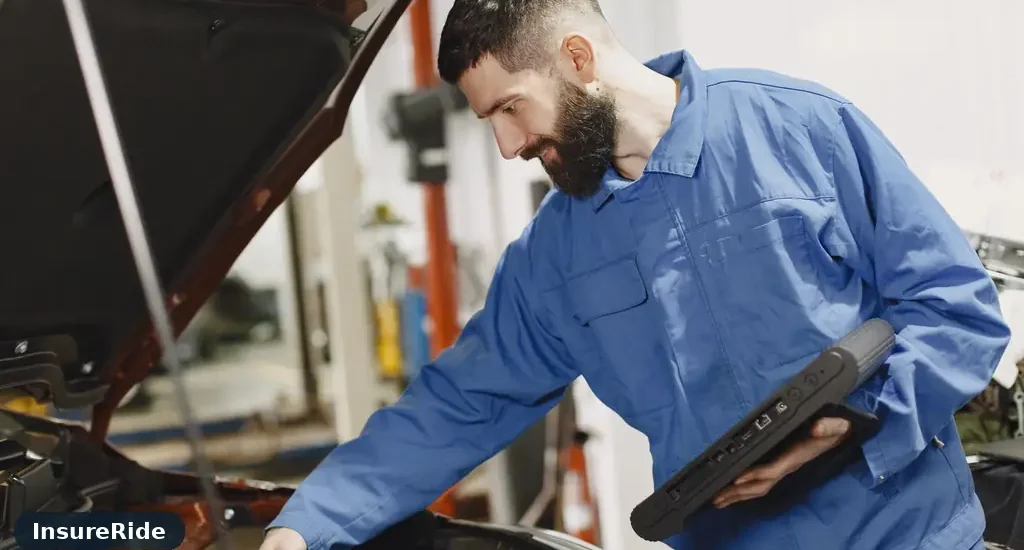
Even a careful buyer can miss problems, and a seller may not know about them either. An independent inspection by a qualified mechanic is money well spent before a used car purchase, especially when the car is being financed. The inspection should cover the engine, the gearbox, the brakes, the suspension, the exhaust and the underside of the car, where rust and damage are easy to miss.
The inspection report gives the buyer a clear picture of what needs attention now and what is likely to need attention soon. It can also be used to negotiate the price, or to walk away when the problems are serious. A seller who refuses an independent inspection is giving the buyer useful information of a different kind, and the buyer should take it seriously.
Check the Car History
A history check answers questions that no inspection can. Has the car been written off and repaired. Is there outstanding finance on it. Has it been stolen. Does the mileage on the clock match the recorded history. Has it passed its inspections on time. These checks are usually available from a vehicle history service, and the small cost is worth paying before committing to a loan.
Service history matters too. A car with a full record of regular servicing is a safer buy than one with gaps, even when the two cars look the same. Ask for the service book and receipts, and check that the recorded mileage rises steadily over time. A sudden drop or a long gap in the record is a warning sign that deserves an explanation.
Ownership history is also worth a look. A car that has changed hands many times in a short period may have a problem that each owner discovered too late. A single long term owner, by contrast, usually means a car that served someone well. Neither pattern is proof on its own, but together with the inspection and the history check they build a useful picture.
Know the Lender Limits on Age and Mileage
Many lenders set limits on the cars they will finance. A car above a certain age, or above a certain mileage, may not qualify at all, or may qualify only on a shorter term. These limits exist because an older car is worth less as security and is more likely to need expensive repairs during the loan.
The buyer should confirm the limits before choosing a car. Falling in love with a car that no lender will finance wastes time and can lead to a rushed decision on a different car. The loan term should also be compared with the car expected life. A loan that runs for years on a car that may not last that long leaves the borrower paying for a car that is no longer on the road.
Read the Loan Terms in Full
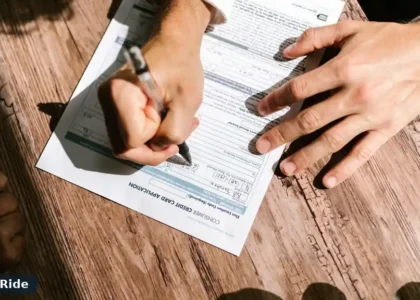
The loan agreement deserves the same attention as the car. Check the total amount borrowed, the monthly payment, the term, and the total interest and fees that will be paid over the life of the loan. Check whether there is a fee for arranging the loan, a charge for early repayment, or a penalty for late payment. These details change the real cost, and they are not always obvious from the monthly payment alone.
Check who the lender is and whether the loan is secured on the car. A loan secured on the car means the lender can repossess it if payments are missed. An unsecured loan works differently, but may carry different terms. Understanding the structure of the loan is part of understanding the risk.
It is also worth asking whether the dealer is adding anything to the loan, such as an extended warranty, paint protection or gap cover. These extras can be useful, but they are often sold at high prices and added to the amount borrowed, which means interest is paid on them too. Each extra should be judged on its own merits, not accepted as part of a package.
Work Out the Total Cost of Ownership
The monthly payment is only one part of owning a used car. Insurance, fuel, servicing, tyres and repairs all add up, and an older car usually costs more to maintain than a newer one. A buyer should work out the full monthly cost, not just the loan payment, and check that it fits comfortably within the budget with room to spare.
Insurance deserves special attention. A financed car usually needs comprehensive cover for the whole loan term, and the premium for a used car can be higher than expected. Getting an insurance quote before signing the loan avoids a nasty surprise in the first month of ownership.
When to Walk Away
There are times when the right answer is to walk away. A car with a poor inspection report, a history check that raises questions, a seller who will not allow an inspection, or loan terms that are unclear are all good reasons to stop. There will always be another car, and the cost of waiting is far lower than the cost of a bad purchase.
Pressure is another warning sign. A seller who insists that the car will be gone tomorrow, or a dealer who rushes the paperwork, is not acting in the buyer interest. A used car purchase financed over several years deserves a calm decision, with time to read every document and to sleep on the choice.
This guide explains how car finance generally works. It is not personal financial advice. Check your own loan terms before you decide.
Can I finance any used car?
Not always. Many lenders set limits on the age and mileage of the cars they will finance, and some cars may qualify only on a shorter term. Confirm the lender limits before choosing a car, and compare the loan term with how long the car is expected to last.
Should I get a used car inspected before financing it?
Yes, an independent inspection by a qualified mechanic is strongly advised. It covers the engine, gearbox, brakes, suspension and underside, and it reveals problems that are easy to miss. The report can support a price negotiation or give a clear reason to walk away.
What history checks should I run on a used car?
Check whether the car has been written off, whether there is outstanding finance on it, whether it has been reported stolen, and whether the recorded mileage matches the clock. Service history and ownership history are also worth reviewing, since gaps and frequent changes of owner can point to problems.
What extra costs should I budget for with a financed used car?
Beyond the monthly loan payment, budget for comprehensive insurance, fuel, servicing, tyres and repairs. An older car usually costs more to maintain than a newer one. Getting an insurance quote before signing the loan gives a realistic picture of the full monthly cost.