Paying cash for a car and taking out a loan are the two most common ways to buy, and each has supporters who are certain their way is cheaper. The honest answer is that it depends. The total cost of a loan depends on the term, the deposit and the interest charged, while the cost of paying cash depends on what else that money could have done. Comparing the two properly means looking beyond the monthly payment and beyond the sticker price.
This guide compares cash buying and loan buying in general terms. It does not recommend one over the other, and it gives no figures for any particular loan or car, because the right choice depends on the buyer circumstances and the terms actually on offer.
How Cash Buying Works
Cash buying means paying the full price of the car at the time of purchase, using savings or money already set aside. There is no lender involved, no monthly payment, and no interest to pay. Once the payment is made, the car belongs to the buyer outright, and there are no further obligations tied to the purchase.
The main advantage is simplicity. The buyer owns the car from day one, can sell it at any time, and never has to worry about missing a payment. The main drawback is that a large sum leaves the bank account at once. That money is no longer available for emergencies, for other purchases, or for anything else that may come up while the car is owned.
How a Car Loan Works
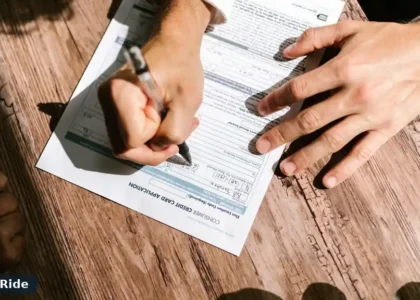
A car loan spreads the cost of the car over time. The buyer pays a deposit, borrows the rest, and repays the loan in monthly instalments over an agreed term. Interest is charged on the amount borrowed, so the total paid over the term is more than the price of the car. At the end of the term, the loan is repaid and the car belongs to the buyer, subject to the terms of the agreement.
The main advantage is that the buyer keeps most of their savings. The car can be bought sooner, and the cash that remains can cover emergencies or other needs. The main drawback is the interest cost, and the fact that the buyer owes money on a car that is losing value. Until the loan is repaid, selling the car means settling the loan first.
Comparing the Total Cost
The total cost of a loan is the deposit plus all the monthly payments, including interest and any fees. The total cost of paying cash is the price of the car. On that simple measure, cash is almost always cheaper, because a loan adds interest on top of the price. The longer the term, the more interest is paid, and the larger the difference becomes.
That comparison is not the whole story, though. Money kept in savings may earn interest, and money used for a car cannot earn that return. In general terms, a loan is worth considering only when the benefit of keeping cash available outweighs the interest paid. When interest charges are high, that balance tips firmly toward cash. When they are low, the difference narrows, but cash still usually costs less in total.
Fees also matter. Some loans carry arrangement fees, early repayment charges, or penalties for late payment. These should be added to the interest when working out the total cost. A loan that looks cheap on the monthly payment can be expensive once the fees are included, so the full agreement deserves a careful read.
Flexibility and Freedom
Cash buyers have the most freedom. The car can be sold, modified or kept for as long as the owner likes, with no lender to consult. There is no risk of the car being repossessed, and no monthly payment to meet if income changes. That freedom is valuable, especially for buyers whose income varies from month to month.
Loan buyers have less freedom while the loan runs. The lender may require comprehensive insurance for the whole term, and may place conditions on how the car is used. Selling the car before the loan is repaid means settling the balance first, and if the car is worth less than the balance, the buyer may need to pay the difference from savings. These constraints are part of the cost of borrowing, even though they do not appear on a payment schedule.
Risk When Things Go Wrong
Risk is where the two options differ most. A cash buyer who loses income still owns the car outright, and the car can be sold to raise money if needed. A loan buyer who loses income still has to meet the monthly payment, and missing payments can lead to charges, damage to the credit record, and in the worst case repossession of the car.
A write-off is another risk. If a financed car is written off, the insurance payout may be less than the loan balance, leaving a debt with no car to show for it. A cash buyer in the same situation loses the car value but owes nothing to anyone. Gap cover can reduce this risk for loan buyers, but it is an extra cost on top of the loan.
On the other hand, paying cash carries its own risk. Spending all available savings on a car leaves nothing for emergencies. A buyer who empties the savings account to avoid a loan may end up borrowing at short notice, on worse terms, when an unexpected cost arrives. Keeping a reserve is a sensible part of any cash purchase.
Which Suits Which Buyer
Cash buying tends to suit buyers who have savings well beyond the price of the car, who value owning outright, and who want no monthly commitment. It also suits buyers of cheaper cars, where the amount involved is modest and the interest saved is small in absolute terms but the simplicity is real.
A loan tends to suit buyers who need a car now but whose savings are needed elsewhere, or who are buying a car whose price would take too long to save for. It also suits buyers who can comfortably afford the monthly payment with room to spare, and who have a stable income that makes the commitment manageable.
Some buyers choose a middle path: a large deposit with a short loan. This keeps the interest cost low, pays the loan off quickly, and leaves savings intact. A shorter term means higher monthly payments, but far less interest overall, and the car is owned outright much sooner.
Questions to Ask Before Deciding
Before deciding, a buyer should ask how much interest the loan will cost in total, whether there are fees for early repayment, and what happens if a payment is missed. The answers should be in writing in the loan agreement. For a cash purchase, the question is simpler: after paying for the car, is there still enough set aside for emergencies and for running costs such as insurance, fuel and maintenance.
It is also worth comparing more than one loan offer. Terms vary between lenders, and a small difference in the interest charged can make a large difference over a long term. A buyer who compares offers and reads the full agreement is in a far stronger position than one who accepts the first offer presented at the dealership.
This guide explains how car finance generally works. It is not personal financial advice. Check your own loan terms before you decide.
Is it always cheaper to pay cash for a car?
In total cost terms, cash is almost always cheaper because a loan adds interest and possibly fees on top of the car price. The exception is when keeping the cash available has real value, for example to cover emergencies, and the interest charged on the loan is low. The total cost of the loan, not the monthly payment, is the right comparison.
Does a car loan affect my ability to sell the car?
Yes, while the loan runs the car usually cannot be sold until the balance is settled. If the car is worth less than the balance, the difference may need to come from savings. A cash buyer owns the car outright and can sell it at any time without involving a lender.
What happens to a car loan if the car is written off?
The insurance payout goes toward the loan balance, and if the payout is less than the balance, the remaining amount is still owed. That shortfall is the gap that gap insurance is designed to cover. A cash buyer in the same situation loses the car value but owes nothing to a lender.
Is a shorter car loan better than a longer one?
A shorter loan usually costs less in total because less interest is charged, and the car is owned outright sooner. The trade-off is a higher monthly payment. A longer loan lowers the monthly payment but raises the total interest paid and keeps the borrower in debt for longer.