Buying a car with finance or taking one on a lease changes the insurance picture. The car is not owned outright, and another party has a financial interest in it. That interest shapes the cover required, the way claims are settled, and the duties that fall on the driver. Understanding these rules before signing the finance agreement avoids surprises later.
This guide explains how insurance works for financed and leased cars in general terms. It does not give figures for any particular agreement, and it is not advice about any specific loan or lease.
Why Lenders and Leasing Companies Care About Insurance
A lender or a leasing company has money tied up in the car. If the car is damaged, stolen or written off, the value of that security falls. Insurance protects the lender interest as well as the driver, which is why finance and lease agreements almost always include insurance requirements. These requirements are part of the contract, and breaking them can be treated as a breach of the agreement.
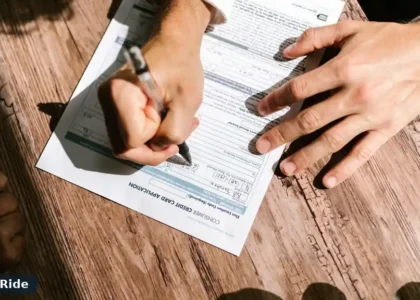
The driver should read the insurance section of the finance or lease agreement before signing. It will state the minimum cover level, whether the lender must be named on the policy, and what must happen if the car is damaged. Knowing these terms in advance is far easier than discovering them after an incident.
The Cover Usually Required
Most finance and lease agreements require comprehensive cover for the whole term. Comprehensive cover protects the car itself against damage, theft and fire, as well as covering liability to other people. Third party cover alone is usually not enough, because it does not protect the car that the lender has financed.
The agreement may also set a maximum excess. A very high excess means the driver pays a large amount toward any claim, which reduces the protection for the lender. The insurer should be told that the car is financed or leased, so the policy is set up correctly from the start and the lender requirements are met.
Who Is Paid After a Claim
When a financed car is damaged and repaired, the repair is usually arranged in the normal way, and the insurer pays the repairer directly or reimburses the cost. When the car is written off, the settlement is different. The insurer pays the car value at the time of the loss, and that payment usually goes toward the outstanding finance balance first.
If the settlement is more than the balance owed, the remainder goes to the driver. If it is less, the shortfall remains the driver responsibility, unless gap cover is in place. This is the gap that catches many borrowers by surprise, because the car is gone but the debt is not. Checking the balance against the car value from time to time gives the driver a realistic picture of the position.
For a leased car, the position is similar but the agreement is different. The leasing company owns the car, so the settlement goes to them. The driver may still owe remaining lease payments or early termination charges, depending on the lease terms. A gap policy designed for leased cars can cover some of these amounts, but the lease wording should be checked to see exactly what is owed.
Keeping Cover in Force for the Whole Term
Cover must stay in force for the entire finance or lease term, without gaps. A lapse, even a short one, can breach the agreement and leave the driver personally liable for any loss during the gap. Setting up automatic renewal, or a reminder well before the renewal date, is a simple habit that prevents most lapses.
Changes should be reported to both the insurer and the lender. A change of address, a new driver, or a change in how the car is used can affect the policy, and the lender may need to know as well. Keeping both parties informed avoids a situation where the policy is valid but the agreement has been breached, or the other way around.
Modifications and Leased Cars
Modifying a financed or leased car needs care. The finance or lease agreement may forbid modifications, or may require the car to be returned in its original condition. The insurer also needs to know about modifications, because they can affect the premium and the cover. A modification made without telling either party can lead to a claim problem and a breach of the agreement.
For leased cars, the rules are usually stricter. Even small changes such as different wheels or a tow bar may need written permission. The safest approach is to ask before making any change, and to keep the permission in writing with the lease documents.
What Happens at the End of the Term
At the end of a finance term, the loan is repaid and the car belongs to the driver. The insurance requirements that came with the finance fall away, and the driver can choose any cover level that fits. The policy should still be reviewed, because the car is now older and its value has changed, and the cover that suited a financed car may no longer be the best fit.
At the end of a lease, the car is returned to the leasing company. The car is usually inspected, and charges may apply for damage beyond fair wear and tear, for excess mileage, or for missing items. Insurance claims for damage during the lease should be settled before the car is returned, so the driver is not left paying for damage that the policy would have covered.
Common Mistakes to Avoid
One common mistake is taking out the cheapest cover available without checking the lender requirements. A policy that does not meet the agreement terms can be treated as no cover at all for the purposes of the finance contract. Another mistake is letting cover lapse during the term, or forgetting to tell the insurer that the car is financed or leased.
A third mistake is assuming that the lender or the leasing company will arrange the insurance. In most agreements the driver is responsible for arranging cover and for keeping it in force. The lender may check that cover exists, but the duty to maintain it sits with the driver from the first day to the last.
This guide explains how cover generally works. It is not personal financial advice. Check your own policy wording before you decide.
Do I need comprehensive insurance on a financed car?
Most finance and lease agreements require comprehensive cover for the whole term, because it protects the car itself as well as liability to others. Third party cover alone is usually not enough. The agreement will state the minimum cover level, and the insurer should be told that the car is financed or leased.
Who gets the insurance payout if a financed car is written off?
The payout usually goes toward the outstanding finance balance first. If the settlement is more than the balance owed, the remainder goes to the driver. If it is less, the shortfall remains the driver responsibility unless gap cover is in place.
Can I modify a leased car?
Lease agreements usually place strict limits on modifications, and even small changes may need written permission. The insurer also needs to know about modifications. Ask the leasing company before making any change, and keep any permission in writing with the lease documents.
What happens to insurance when a lease ends?
When a lease ends, the car is returned and inspected, and charges may apply for damage beyond fair wear and tear or for excess mileage. Insurance claims for damage during the lease should be settled before the return, so the driver is not left paying for damage the policy would have covered.