Being told that a car is written off is never welcome news, even when nobody is hurt. The car may have been a daily necessity, a recent purchase, or a vehicle with years of reliable service behind it. The process that follows can feel confusing, especially when it arrives in the middle of the stress of an accident. Knowing the steps in advance makes it far easier to handle.
This guide explains what a write-off means, how the settlement is worked out, what happens to the car, and what to do when finance is involved or the valuation seems wrong. It deals in general terms only.
What Written Off Means
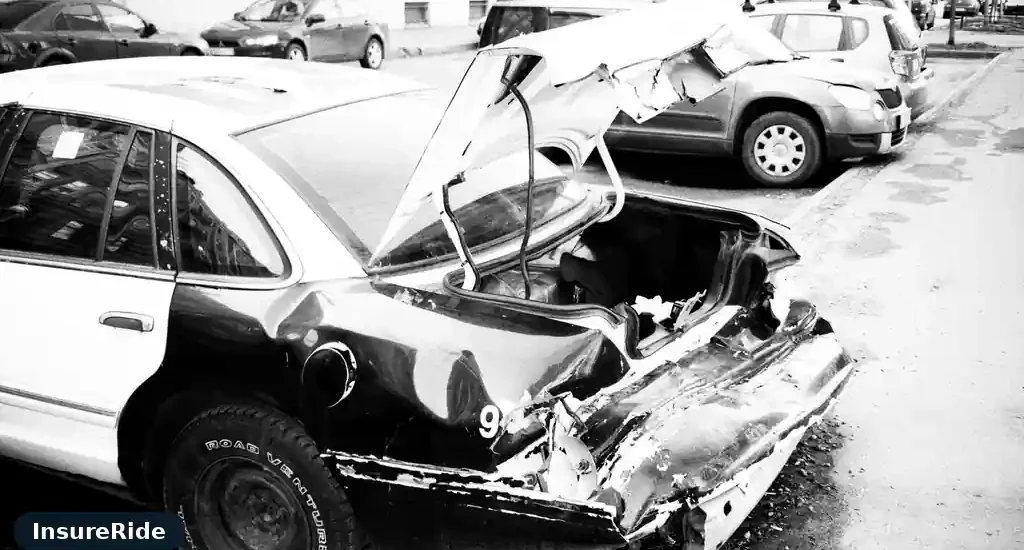
A car is written off when the insurer decides that repairing it is not worthwhile. That can happen for two reasons. The first is that the damage is so severe that the car cannot be repaired safely. The second is that the cost of repair is close to, or more than, the value of the car, so repairing it makes no financial sense. In both cases the insurer treats the car as a total loss and settles the claim in money rather than by repairing the vehicle.
Write-offs are usually placed in categories that describe how serious the damage is. Some categories mean the car must never return to the road, while others mean it can be repaired and used again after proper checks. The category affects what happens to the car and whether it can be bought back. The insurer or the repairer should explain which category applies and what it means in practice.
First Steps After the Accident
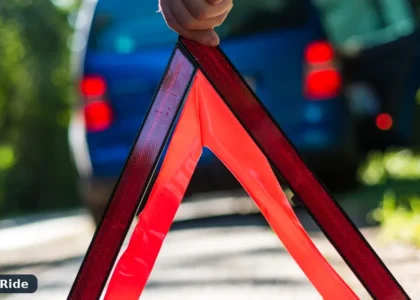
The first priority after any accident is safety. Check for injuries, call for help if needed, and move to a safe place where possible. Exchange details with the other driver, note the registration numbers, and take photographs of the damage, the road and the positions of the vehicles. These records help the claim later, and they are much harder to gather after the scene has cleared.
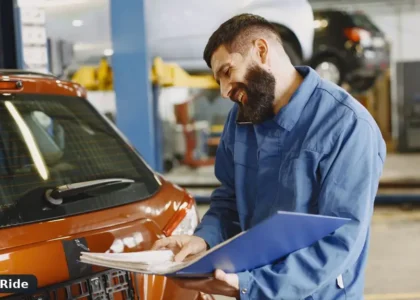
Contact the insurer as soon as practical and report the incident. The insurer will arrange for the car to be inspected, usually at a repairer or a salvage yard. Do not agree to repairs or disposal before the insurer has assessed the car, because an early decision can affect the claim. Keep copies of every document, message and reference number from this point onward.
How the Settlement Is Worked Out
The settlement is based on the car value at the time of the accident, not the price originally paid for it. The insurer looks at the make, model, age, mileage, condition and the prices of similar cars on the market. The excess shown on the policy is usually taken off the settlement, unless the excess is recovered from another party.
The first offer may not be the final figure. If the valuation seems low, the owner can challenge it with evidence, such as advertisements for similar cars, service records, receipts for recent work, and photographs showing the condition before the accident. A calm, evidence based challenge is far more effective than a general complaint, and many valuations are revised when good evidence is provided.
Recent spending on the car does not always raise the value. New tyres, a recent service or a new part may add something, but only when the owner can show receipts and the work clearly improved the car. General maintenance is usually treated as part of normal ownership rather than as added value.
What Happens to the Car
When a car is written off, the insurer usually takes ownership of the vehicle as part of the settlement. The car is then sold for salvage, and its parts are used to repair other vehicles or recycled. The owner should remove personal belongings from the car before it is collected, and should check that nothing is left in the boot, the glove box or under the seats.
In some cases the owner can buy the car back from the insurer, usually when the damage is repairable and the category allows it. The buy back price is taken off the settlement, and the owner is then responsible for the repair and for any inspections needed before the car can return to the road. Buying back is not always sensible. The repair cost, the future insurance position and the resale value all need to be weighed before agreeing.
When Finance Is Owed on the Car
When a financed car is written off, the settlement usually goes toward the outstanding loan balance first. If the settlement covers the balance, any remainder goes to the owner. If it does not, the shortfall remains the owner responsibility, and the loan must still be repaid even though the car is gone. This is the gap that gap insurance is designed to cover, where such a policy is in place.
The owner should contact the lender as soon as the write-off is confirmed, and should keep paying the loan instalments until the settlement is agreed. Stopping payments can damage the credit record and add charges. The lender and the insurer will usually settle the figures between them, but the owner should ask for a written statement of the final balance so the position is clear.
Paperwork and Admin After a Write-Off
Several admin tasks follow a write-off. The registration documents need to be handed over or updated as the insurer directs. The owner should tell the licensing authority that the car is no longer in use, so that road tax or registration charges stop. Any remaining tax may be refunded, depending on the rules where the car is registered.
The insurance policy itself needs attention too. The policy may end when the car is written off, or it may be transferred to a replacement car. The owner should ask the insurer what happens to the policy and to any no claims record, and should confirm whether a refund of unused premium is due. Keeping the car insured until the settlement is complete is important, since the car is still the owner responsibility until ownership passes to the insurer.
Choosing a Replacement Car
Once the settlement is agreed, the owner can look for a replacement. It is tempting to rush, especially when the car is needed every day, but a hurried purchase can repeat the problems of the last one. The same checks apply as for any used car purchase: an independent inspection, a history check, and a careful look at the total cost of ownership.
The settlement may be less than the cost of a like for like replacement, because the car value at the time of the accident is lower than the price of an equivalent car today. Budgeting with the actual settlement figure, rather than with the hope of a higher one, keeps the search realistic and avoids taking on a loan that is larger than planned.
If the Valuation Seems Wrong
When the owner and the insurer disagree on the value, the first step is to ask the insurer how the figure was reached and what evidence was used. The owner can then provide counter evidence, such as comparable advertisements and receipts, and ask for the valuation to be reviewed. Most insurers have a clear process for this, and it should be followed in writing so there is a record.
If the disagreement cannot be resolved, the owner can follow the insurer complaint process, and then the independent dispute service that applies where the policy was bought. These steps take time, but they are the proper route when the figures are far apart. Keeping every document and every message from the start makes the complaint far stronger.
This guide explains how cover generally works. It is not personal financial advice. Check your own policy wording before you decide.
What does it mean when a car is written off?
A car is written off when the insurer decides that repairing it is not worthwhile, either because the damage is too severe to repair safely or because the repair cost is close to or more than the car value. The insurer then treats the car as a total loss and settles the claim in money rather than by repairing the vehicle.
How much will I get if my car is written off?
The settlement is based on the car value at the time of the accident, using the make, model, age, mileage, condition and prices of similar cars. The policy excess is usually taken off. If the valuation seems low, it can be challenged with evidence such as comparable advertisements, service records and receipts.
What happens to my car loan if the car is written off?
The settlement usually goes toward the outstanding loan balance first. If it covers the balance, any remainder goes to the owner. If it does not, the shortfall remains the owner responsibility and the loan must still be repaid. Gap insurance, where in place, is designed to cover that shortfall.
Can I buy back my written off car?
In some cases yes, when the damage is repairable and the write-off category allows it. The buy back price is taken off the settlement, and the owner is responsible for the repair and any inspections needed before the car returns to the road. The repair cost and the future insurance position should be weighed before agreeing.