Filing a car insurance claim can feel stressful, especially right after an incident. The process is much easier when the steps are known in advance. A claim is simply a formal request to the insurer to pay for a covered loss, and it follows a clear sequence. Report the incident, give the details, let the insurer assess the damage, and then receive the repair or payment. This guide walks through each step, so a driver knows what to do, what to say, and what to expect.
The steps below apply to most car insurance claims, from a small dent to a serious crash. The exact process varies by insurer, but the shape is the same. Acting promptly, keeping clear records, and following the insurer’s guidance makes the claim move faster and reduces the chance of problems.
Step 1: Stay Safe and Check for Injuries
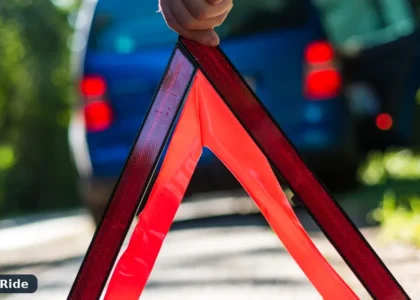
After a crash or incident, safety comes first. Check whether anyone is hurt, and call emergency services if anyone needs help or the road is blocked. Move to a safe place if it is possible to do so without causing further risk. Turn on hazard lights to warn other drivers, and set out a warning triangle if one is available and it is safe to do so.
Do not move a seriously injured person unless there is immediate danger, such as fire. Do not leave the scene before details have been exchanged, unless medical help makes it necessary. Staying calm and focusing on safety first protects everyone involved and also helps the claim, because a clear, careful account of what happened starts at the scene.
If the incident is a theft, fire, or vandalism discovered after the event, the first step is different. Do not touch anything that might be evidence, and report the matter to the police. A police report number is often needed for theft and vandalism claims, and it strengthens the claim.
Step 2: Gather Details at the Scene
While the scene is still fresh, gather as much detail as possible. Exchange names, contact details, registration numbers, and insurer names with any other driver involved. Note the make, model, and colour of each car, and the time, date, and place of the incident. If there are witnesses, ask for their names and contact details too.
Photos are very useful. Photograph the damage to each car, the positions of the cars on the road, the road surface, any skid marks, and any traffic signs or signals nearby. Take wide shots that show the whole scene, and close shots that show the damage clearly. Photos taken at the scene are far more convincing than photos taken days later.
Write down what happened in plain words while the memory is fresh. Note the weather, the light, the speed of the cars, and anything unusual, such as road works or a blocked view. Do not admit fault at the scene, even if the situation seems clear, because fault is decided on the full facts, not on a remark made in the moment.
Step 3: Report the Incident to Your Insurer
Contact the insurer as soon as practical after the incident, even if the driver is not sure they will claim. Most insurers have a claims line or an online form, and some have an app for reporting. The insurer will ask for the policy number, the date and time of the incident, what happened, and the details of anyone else involved.
Report the incident promptly. Many policies require notification within a set time, and a long delay can make the claim harder to assess. Even if the damage is small and the driver plans to pay for repairs directly, telling the insurer protects the policy, because an unreported incident can cause problems later if the other party makes a claim.
Keep a record of the report. Note the date and time of the call, the name of the person spoken to, and any claim number given. If the report is made online, save a copy of the confirmation. This record is useful if the claim needs to be followed up later.
Step 4: Assessment and Repair
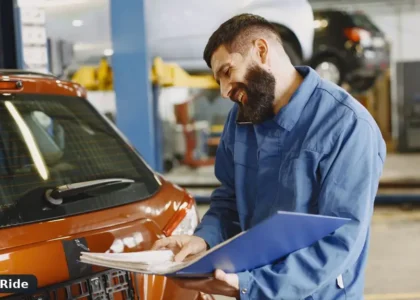
After the report, the insurer checks the policy to confirm the event is covered. For simple claims, such as a broken windscreen, the insurer may approve the repair straight away. For larger claims, an assessor may inspect the damage, or the insurer may ask for a repair quote from an approved garage. The assessor’s job is to agree what needs to be fixed and what it should cost.
The insurer may direct the driver to an approved repairer, which can make the process smoother, because the garage deals with the insurer directly. The driver should still check the repair quality before accepting the car back, and raise any concern with the insurer if the work is not right. Some policies allow the driver to choose their own garage, though the insurer may need to approve the quote first.
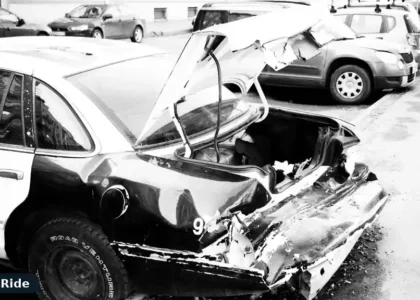
If the car cannot be repaired, the insurer will usually treat it as a write off and pay its market value at the time of the loss, minus the excess. Market value is what a similar car would sell for, not the price the driver paid when the car was new. The driver can check the value of similar cars to see whether the offer is fair, and can discuss it with the insurer if it seems low.
Step 5: Settlement and Payment
Once the claim is approved and the repair cost is agreed, the insurer settles the claim. For repairs, the insurer usually pays the garage directly, and the driver pays the excess to the garage. For a write off, the insurer pays the agreed value to the driver, minus the excess, usually by bank transfer. The driver should keep copies of every invoice, receipt, and message, because a clear record makes it easier to follow up if anything is delayed.
Settlement times vary. Simple claims can be settled in days, while larger or disputed claims can take weeks. If the claim involves another driver and fault is disputed, it can take longer, because the insurers need to agree who pays. The driver can ask the insurer for updates, and should expect clear communication about what is happening and what is still needed.
If the claim involves injury, the process is usually separate and slower, because medical costs and recovery take time to assess. The driver should keep records of medical treatment and any costs, and follow the insurer’s guidance on what evidence is needed. Injury claims are often handled by a specialist team within the insurer.
What to Do if a Claim Is Delayed or Refused
If a claim seems delayed, the driver should contact the insurer and ask for an update in writing. Asking what is still needed, and whether anything is waiting on the driver, often moves things along. Keeping a dated record of every contact helps, because it shows the history of the claim if it needs to be escalated.
If a claim is refused, the driver can ask the insurer to explain the reason in writing and check it against the policy wording. If the wording is unclear, or the driver believes the decision is wrong, most insurers have a complaints process. Independent dispute services exist in many places for cases that cannot be settled directly, and they can review the claim without cost to the driver.
It is worth remembering that a refused claim is not the end of the road. A clear, polite complaint that quotes the policy wording and sets out the facts is often more effective than an angry call. The driver should keep every document, because the paper trail is what a reviewer will look at.
This guide explains how claims generally work. It is not personal financial advice. Check your own policy wording before you decide.
How soon should I report a car insurance claim?
Report the incident to your insurer as soon as practical, even if you are not sure you will claim. Many policies require notification within a set time, and a long delay can make the claim harder to assess.
What do I need to file a car insurance claim?
You need your policy number, the date, time, and place of the incident, a description of what happened, and the details of any other driver involved. Photos of the damage and the scene help the claim move faster.
Should I admit fault after a car accident?
No. Do not admit fault at the scene, even if the situation seems clear. Fault is decided on the full facts, and a remark made in the moment can be used against you later.