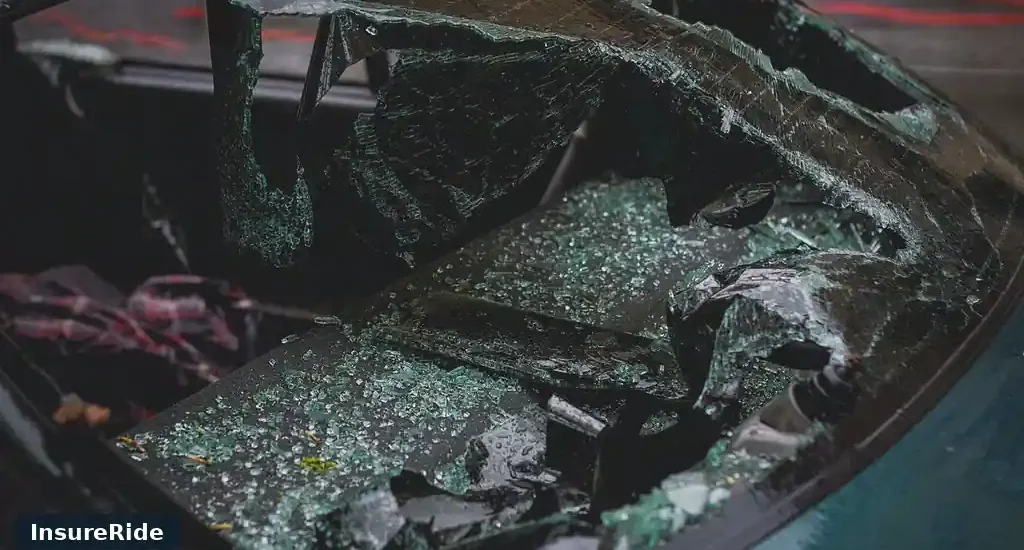
Windscreen, glass and theft cover are three parts of a car insurance policy that many drivers only think about when something goes wrong. A stone chip on the motorway, a smashed side window, or a car taken overnight can each lead to a claim, and the outcome depends on what the policy actually includes. The wording matters more than the headline description, because the details decide what is paid and how much the driver must pay first.
This guide explains how windscreen and glass cover usually works, how theft cover is structured, and where the common gaps sit. It is written for drivers who want to understand their policy before they need it, not after.
What Windscreen Cover Usually Includes
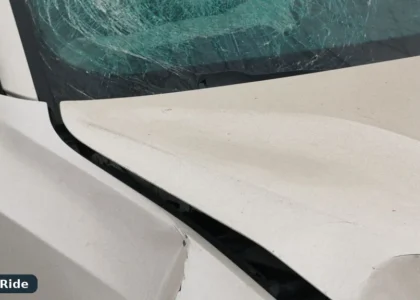
Windscreen cover pays for the repair or replacement of the car windscreen. A small chip can often be repaired without replacing the whole screen, and many insurers encourage repair because it is quicker and cheaper. A larger crack, or damage in the driver line of sight, usually means a full replacement.
Most comprehensive policies include windscreen cover as standard. The excess for a windscreen claim is usually lower than the main policy excess, and a repair may have no excess at all. Some policies also cover the other windows of the car, such as side windows and the rear window, while others treat those separately.
It is worth checking whether the policy covers the sunroof glass, and whether it covers the cost of recalibrating driver assistance systems after a replacement. Modern cars often have cameras and sensors mounted on the windscreen, and those need to be recalibrated after a new screen is fitted. That work can add to the cost, and not every policy includes it.
How the Windscreen Excess Works
The excess is the amount the driver pays toward a claim. For windscreen claims, the excess is often lower than the standard excess, and it may be different for repair and replacement. A repair may have a small excess or none at all, while a replacement has a set excess that the driver pays to the repairer.
Some insurers waive the excess entirely if the repair is done by an approved repairer. Others charge the excess regardless of who does the work. Using an approved repairer can also speed up the claim, because the repairer deals directly with the insurer.
It is worth knowing that a windscreen claim does not usually affect the no claims discount in the same way as an accident claim. Many insurers treat glass claims separately, so the discount is protected. The policy wording should confirm this, because it is not true of every policy.
What Theft Cover Includes
Theft cover pays if the car is stolen and not recovered, or if it is recovered with damage. The insurer usually pays the market value of the car at the time of the theft, less the excess. If the car is recovered, the insurer pays for the damage caused by the theft, such as a broken lock or a damaged ignition.
Theft cover also usually includes damage caused by an attempted theft, such as a smashed window or a damaged door lock. The claim is handled in a similar way to a theft claim, and the excess applies in the same way.
Most comprehensive policies include theft cover as standard. Third party only policies do not, and third party fire and theft policies include theft but not accidental damage. The level of cover should be clear from the policy type, and it is worth confirming before buying.
Items Stolen from the Car
Theft of items from inside the car is treated differently from theft of the car itself. Many policies cover personal belongings in the car up to a set limit, but the limit is often modest, and high value items may be excluded. Some policies require the items to have been out of sight, or the car to have been locked, for the claim to be paid.
Some policies do not cover personal belongings at all, and the driver may need a separate add on or a home insurance policy to cover them. Checking the limit and the conditions before a loss happens avoids a disappointing claim.
Items that are part of the car, such as a fitted sound system or built in navigation, are usually covered as part of the car itself. Items that are portable, such as a phone, a laptop, or a bag, are usually treated as personal belongings and may have a lower limit.
What Theft Cover Often Excludes
Theft cover has conditions that can catch drivers out. Many policies do not cover theft if the car was left unlocked, or if the keys were left in the car. Some do not cover theft if the car was left running with no one in it, even for a short time. These conditions are in the policy wording, and they are enforced at claim time.
Some policies exclude theft by a person known to the driver, or theft where the driver handed over the keys willingly. Others exclude theft if the car was used for a purpose not covered by the policy, such as hire or reward. These exclusions are worth reading, because they are the most common reasons a theft claim is refused.
Keeping the car locked, keeping the keys secure, and using any fitted security device all help. Some insurers ask whether the car has an alarm or an immobiliser, and the answer can affect the premium. If the car has a security device, it should be used and kept working.
How to Make a Windscreen or Theft Claim
For a windscreen claim, the driver usually contacts the insurer or the approved repairer directly. The repairer arranges the work and deals with the insurer for payment. The driver pays the excess to the repairer. The process is usually quick, and the car can often be repaired on the same day.
For a theft claim, the driver should report the theft to the police first and get a crime reference number. The insurer will ask for that number, along with the car details, the keys, and any information about where and when the theft happened. The insurer may wait a set period to see if the car is recovered before settling the claim.
Keeping the car documents, the service history, and proof of any extras fitted to the car helps the insurer value the car fairly. If the car had expensive optional extras, the driver should check whether those were declared on the policy, because undeclared extras may not be included in the settlement.
Checking the Policy Before a Claim
- Is windscreen cover included, and what is the excess for repair and replacement?
- Are side windows, the rear window and the sunroof covered under glass cover?
- Does a glass claim affect the no claims discount?
- Is theft cover included, and what is the excess?
- Are personal belongings in the car covered, and up to what limit?
- What conditions apply, such as the car being locked and the keys kept secure?
- Does the policy cover recalibration of driver assistance cameras after a windscreen replacement?
Answering these questions from the policy wording gives a clear picture of what is actually covered. If any answer is unclear, the insurer should be able to explain it in plain terms.
Windscreen, glass and theft cover are often taken for granted until they are needed. A driver who knows the excess, the limits, and the conditions in advance can act quickly when damage happens, and can avoid the frustration of a claim that is refused for a reason that was in the wording all along.
This guide explains how cover generally works. It is not personal financial advice. Check your own policy wording before you decide.
Is windscreen cover included in comprehensive car insurance?
Most comprehensive policies include windscreen cover as standard, often with a lower excess than the main policy excess. A repair may have no excess at all, while a replacement has a set excess, so it is worth checking the wording.
Does a windscreen claim affect my no claims discount?
Many insurers treat glass claims separately, so the no claims discount is not affected in the same way as an accident claim. This is not true of every policy, so the wording should confirm how glass claims are treated.
What does theft cover pay for?
Theft cover usually pays the market value of the car if it is stolen and not recovered, less the excess. If the car is recovered, it pays for the damage caused by the theft, such as broken locks or a damaged ignition.