Car insurance add ons are optional extras that sit on top of the main policy. They fill gaps that standard cover leaves open, such as a courtesy car while a claim is repaired, or legal costs after an accident that was not the driver fault. Some add ons are genuinely useful. Others duplicate cover the driver already has, or protect against a risk that is unlikely to matter.
The decision is not about how many extras a policy can hold. It is about matching the extras to the way the car is used, the other cover the driver already has, and the cost of dealing with the problem without the add on. A useful add on is one that would be hard or costly to arrange on the day it is needed.
How Add Ons Work
An add on is bought at the same time as the policy, or added at renewal. It usually has its own price and its own terms. Some add ons have their own claim limits, and some have their own excess. The main policy wording and the add on wording should be read together, because the add on may only work when the main policy is in force.
Most add ons are priced per year. Some are priced per claim, and a few have a limit on the number of claims that can be made. If an add on is used, it may or may not affect the no claims history. That detail matters, and it should be in the wording.
Breakdown Cover
Breakdown cover pays for roadside help if the car stops working. It usually covers a call out, a roadside repair attempt, and a tow to a nearby garage if the car cannot be fixed at the roadside. Some levels add cover for the driver being taken home, or for onward travel while the car is repaired.
This add on is worth considering for drivers who travel far from home, drive an older car, or rely on the car every day. A breakdown far from home is hard to arrange at short notice, and the cost of a tow without cover can be high. Drivers who already have breakdown cover through a motoring club, a bank account, or a car warranty should check for overlap before paying twice.
The level of cover matters. Basic roadside cover may only help near home, while a higher level may cover the car anywhere and include a replacement vehicle. The wording should say where the cover applies and what happens if the car cannot be fixed on the same day.
Legal Expenses Cover
Legal expenses cover, often called motor legal protection, pays for legal costs after an accident that was not the driver fault. It can help recover costs that the other driver insurer does not pay, such as lost earnings, travel costs, or the policy excess. It may also cover the cost of a legal claim for personal injury.
This add on is useful for drivers who want help pursuing a claim rather than handling it alone. The insurer appoints a solicitor, and the costs are covered up to a limit. Without this cover, a driver who wants to claim uninsured losses may need to pay legal costs or handle the claim without help.
It is worth checking what the cover excludes. Some policies do not cover claims where the other driver cannot be traced, or where the prospects of success are low. The wording should explain how the insurer decides whether to take a case forward.
Courtesy Car Cover
Courtesy car cover provides a replacement car while the driver car is being repaired after a claim. The car is usually supplied by the repairer and is similar in size to the insured car, though not always the same model. The cover usually lasts until the repair is finished, up to a set number of days.
This add on matters most for drivers who depend on the car daily and have no other way to travel. A driver who can work from home, use public transport, or borrow another car may not need it. It is also worth checking whether a courtesy car is already included in the main policy, because some comprehensive policies include one as standard.
The terms can be narrow. The courtesy car may only be offered if the car is repaired by an approved repairer, and it may not be available if the car is stolen or written off. In those cases, a hire car add on may be the better option.
No Claims Protection
No claims protection, sometimes called no claims discount protection, allows the driver to make a set number of claims without losing the no claims discount. The discount itself is a reduction in the premium earned by claim free years. Without protection, a single claim can reduce that discount and raise the premium at renewal.
Protection does not stop the premium from rising for other reasons. The insurer can still raise the price because of the claim, even if the discount itself is protected. The wording should explain how many claims are allowed and over what period.
This add on is often worth it for drivers with a long claim free record, because the discount they have built up is large. For a driver with only one or two claim free years, the discount is smaller, and the cost of the add on may be close to the value of the discount it protects.
Windscreen and Glass Cover
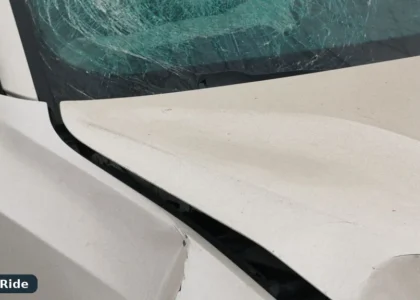
Windscreen cover pays for the repair or replacement of the windscreen and other glass. A small chip can often be repaired cheaply, while a full replacement costs much more. Many comprehensive policies include windscreen cover as standard, with a lower excess than the main policy excess.
If the main policy already includes glass cover, buying it again as an add on is a waste of money. If the policy is third party only, or if glass cover is not included, adding it can be sensible, because a cracked windscreen can make a car unroadworthy and a replacement without cover can be costly.
Add Ons That Are Often Skipped
Some add ons sound useful but offer little in practice. Gadget cover for items in the car often duplicates home insurance. Personal accident cover may duplicate life or health cover the driver already holds. Tyre and alloy wheel cover may have a low payout limit and strict conditions about where the damage happened.
Another common overlap is travel cover. A driver who already has an annual travel policy may not need a separate car insurance add on for travel abroad. The car policy wording should say what is covered when driving in other countries, and whether an add on is needed at all.
The test for any add on is simple. Would the driver pay for the same help out of pocket if the event happened tomorrow, and would the add on pay enough to make a real difference. If the answer to either is no, the add on is probably worth skipping.
How to Decide at Renewal
- List every add on on the current policy and what each one cost.
- Check whether the same cover exists in a home policy, bank account, warranty or motoring club.
- Check whether the main policy already includes the cover as standard.
- Think about how the car is actually used, not how it might be used.
- Compare the add on price with the cost of dealing with the event without it.
- Read the limits and exclusions, not just the headline description.
Add ons are not good or bad on their own. The same extra can be essential for one driver and a waste for another. The difference is the driver situation, the other cover already held, and the real cost of the event the add on protects against. A driver who checks those three things can choose extras with confidence and skip the rest without worry.
This guide explains how cover generally works. It is not personal financial advice. Check your own policy wording before you decide.
What are car insurance add ons?
Add ons are optional extras bought with the main policy, such as breakdown cover, legal expenses cover, or a courtesy car. They fill gaps in standard cover and each one has its own price and terms.
Which add ons are most useful?
Breakdown cover and legal expenses cover help many drivers, and no claims protection can matter for drivers with a long claim free record. The right choice depends on how the car is used and what cover the driver already has.
Do add ons duplicate cover I already have?
They often can. Home insurance may cover personal belongings, a bank account may include breakdown cover, and a comprehensive policy may already include a courtesy car or glass cover, so it is worth checking before paying twice.